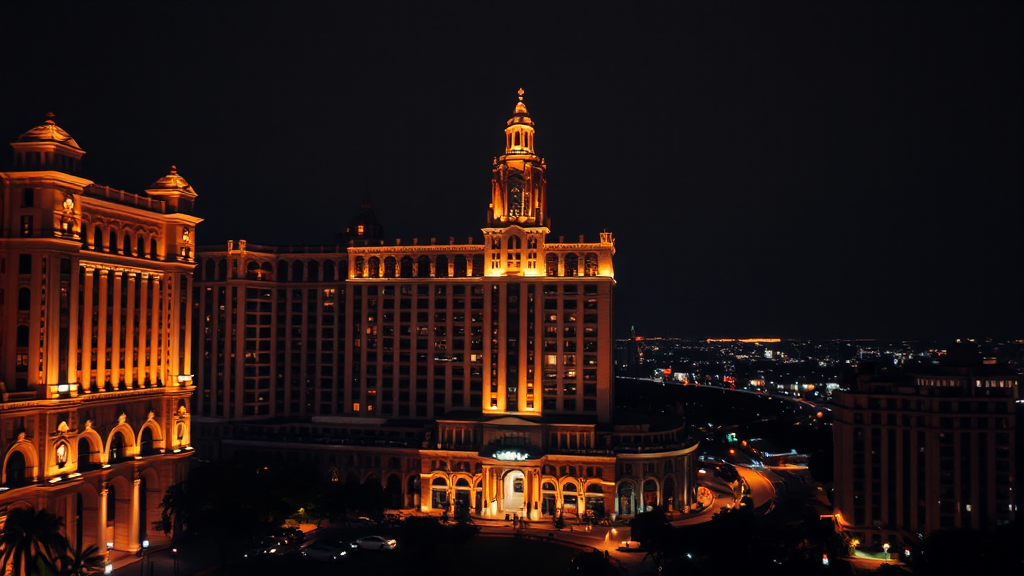
Timeless Elegance: Discovering the Charm of Classic Hotel Hospitality
In a world where travel is often hurried and impersonal, there remains a deep longing for experiences that feel genuine, warm, and memorable. The true essence of hospitality lies not just in providing a place to sleep, but in crafting an atmosphere where every guest feels valued and at home. This article explores the enduring appeal of classic hotel hospitality and how it continues to shape our travel experiences today.
From the moment you step into a well-curated establishment, the details matter. The scent of fresh flowers in the lobby, the soft lighting that invites relaxation, and the attentive smile of the front desk staff all contribute to a sense of arrival that is both comforting and exciting. This is the art of hospitality—a blend of tradition, service, and genuine care that transforms a simple stay into a cherished memory.
Many travelers are now seeking out properties that offer more than just amenities; they want a narrative, a sense of place, and a connection to the local culture. Whether it is a historic building with a storied past or a modern hotel that pays homage to classic design, the best experiences are those that feel both personal and grand. This is where the concept of thebiltmorehotels comes into play, representing a standard of elegance and service that has stood the test of time.
The Art of First Impressions
The lobby of a great hotel is more than just a check-in point; it is the heart of the property. It sets the tone for the entire stay. A well-designed lobby invites guests to linger, to sit and read a book, or to enjoy a quiet conversation. The use of natural materials, comfortable seating, and thoughtful artwork creates an environment that feels both luxurious and approachable.
Staff training is equally crucial. The best hotels invest heavily in their people, teaching them not just procedures but the art of reading a guest’s needs. A simple gesture, such as remembering a returning guest’s preferred newspaper or offering a glass of water after a long journey, can make all the difference. This level of attentiveness is what separates a good hotel from a truly great one.
In today’s fast-paced world, the ability to slow down and appreciate these small moments is a luxury in itself. Hotels that prioritize this philosophy often find that their guests become loyal advocates, returning year after year and sharing their experiences with friends and family. The emotional connection built during these first few minutes can last a lifetime.
Design That Tells a Story
Interior design in hospitality is about more than aesthetics; it is about storytelling. Every piece of furniture, every color choice, and every texture should reflect the hotel’s unique identity. For example, a coastal property might use light blues and sandy neutrals, while a mountain lodge would embrace warm woods and stone fireplaces. This cohesion creates a narrative that guests can immerse themselves in.
Classic design elements—such as crown moldings, chandeliers, and rich fabrics—never go out of style. They evoke a sense of permanence and quality that transient trends cannot match. At the same time, modern touches like smart room controls and high-speed Wi-Fi are essential for today’s traveler. The key is to blend the old and the new seamlessly, so that the experience feels both timeless and current.
Lighting plays a particularly important role. Layered lighting—combining ambient, task, and accent lights—allows guests to adjust the mood of their room to suit their needs. A dimmer switch on a bedside lamp can transform a space from a work area to a sanctuary. These thoughtful details demonstrate a deep understanding of human comfort.
Culinary Experiences That Delight
Food is an integral part of any travel experience. Hotels that excel in hospitality often feature restaurants that are destinations in their own right. Whether it is a Michelin-starred fine dining room or a cozy café serving local specialties, the quality of the cuisine reflects the hotel’s overall commitment to excellence.
Breakfast, in particular, is a moment of truth. A well-prepared breakfast buffet with fresh pastries, seasonal fruits, and made-to-order eggs can set a positive tone for the entire day. Many hotels now offer locally sourced ingredients, supporting nearby farmers and reducing their carbon footprint. This farm-to-table approach not only tastes better but also tells a story about the region.
Room service is another area where attention to detail matters. Presenting a meal on a beautifully set tray with a fresh flower and a handwritten note elevates a simple dining experience into a memorable one. The best hotels understand that food is not just fuel; it is an opportunity to create joy and comfort for their guests.
The Role of Personalized Service
Personalization is the ultimate luxury in modern hospitality. Guests want to feel that their individual preferences are known and respected. This can be as simple as noting a guest’s preference for a firm pillow or as elaborate as arranging a private tour of a local museum based on their interests.
Technology has made personalization easier than ever. Guest relationship management systems allow hotels to track preferences and past stays, ensuring that every interaction is informed. However, technology should never replace human touch. The best service comes from staff who are empowered to make decisions and go the extra mile without needing approval from a manager.
For instance, a concierge who remembers a guest’s allergy concerns and proactively recommends a restaurant that can accommodate them demonstrates true care. These small acts of kindness build trust and loyalty. In an age of automation, the human element remains the most powerful differentiator.
Creating a Sense of Community
Great hotels are more than places to sleep; they are gathering places for both travelers and locals. A vibrant bar, a welcoming lounge, or a beautiful garden can become a social hub where stories are shared and connections are made. This sense of community enriches the guest experience and makes the hotel feel alive.
Events such as wine tastings, live music, or art exhibitions can bring people together and showcase local culture. Hotels that actively engage with their neighborhood—by partnering with local artisans, offering walking tours, or supporting community charities—create a positive ripple effect that benefits everyone involved.
Guests who feel part of a community are more likely to return and recommend the property to others. This word-of-mouth marketing is invaluable and far more effective than any advertising campaign. The emotional bond formed through shared experiences is the foundation of lasting loyalty.
FAQs
What makes a hotel truly luxurious?
A truly luxurious hotel combines impeccable service, thoughtful design, and attention to detail. It goes beyond providing high-end amenities to create an atmosphere of comfort and exclusivity. Personalization, quality dining, and a sense of place are key elements that elevate a stay from ordinary to extraordinary.
How can I choose the right hotel for my trip?
Consider your priorities: location, style, budget, and the type of experience you want. Read reviews from previous guests, look at photos of the property, and check the hotel’s website for details about their services and amenities. If possible, contact the hotel directly with any questions—their responsiveness can tell you a lot about their level of service.
Is it worth paying more for a historic hotel?
Historic hotels often offer a unique atmosphere and a sense of connection to the past that modern properties cannot replicate. They typically feature distinctive architecture, period furnishings, and fascinating stories. For travelers who value authenticity and character, the extra cost is often well worth it.
What should I expect from a five-star hotel experience?
A five-star hotel experience includes exceptional service, luxurious accommodations, fine dining, and a wide range of amenities such as spas, fitness centers, and concierge services. Staff are highly trained to anticipate your needs and provide personalized attention. The overall environment is designed to be both elegant and comfortable, ensuring a memorable stay.
In conclusion, the charm of classic hotel hospitality lies in its ability to make guests feel special, cared for, and part of something larger than themselves. By focusing on timeless principles—attentive service, beautiful design, delicious food, and genuine connection—hotels can create experiences that resonate long after checkout. Whether you are traveling for business or pleasure, choosing a property that embodies these values will enrich your journey and leave you with memories to treasure. The next time you plan a trip, consider the power of true hospitality and discover the difference it makes.
For readers who want to learn more about thebiltmorehotels, it helps to compare different approaches, read expert opinions, and consider how the topic fits into the broader general landscape.
Another key aspect of thebiltmorehotels is understanding how it relates to other topics in the same field. Many experts recommend starting with a clear overview before diving into specific techniques or strategies.